Concrete Driveway Building
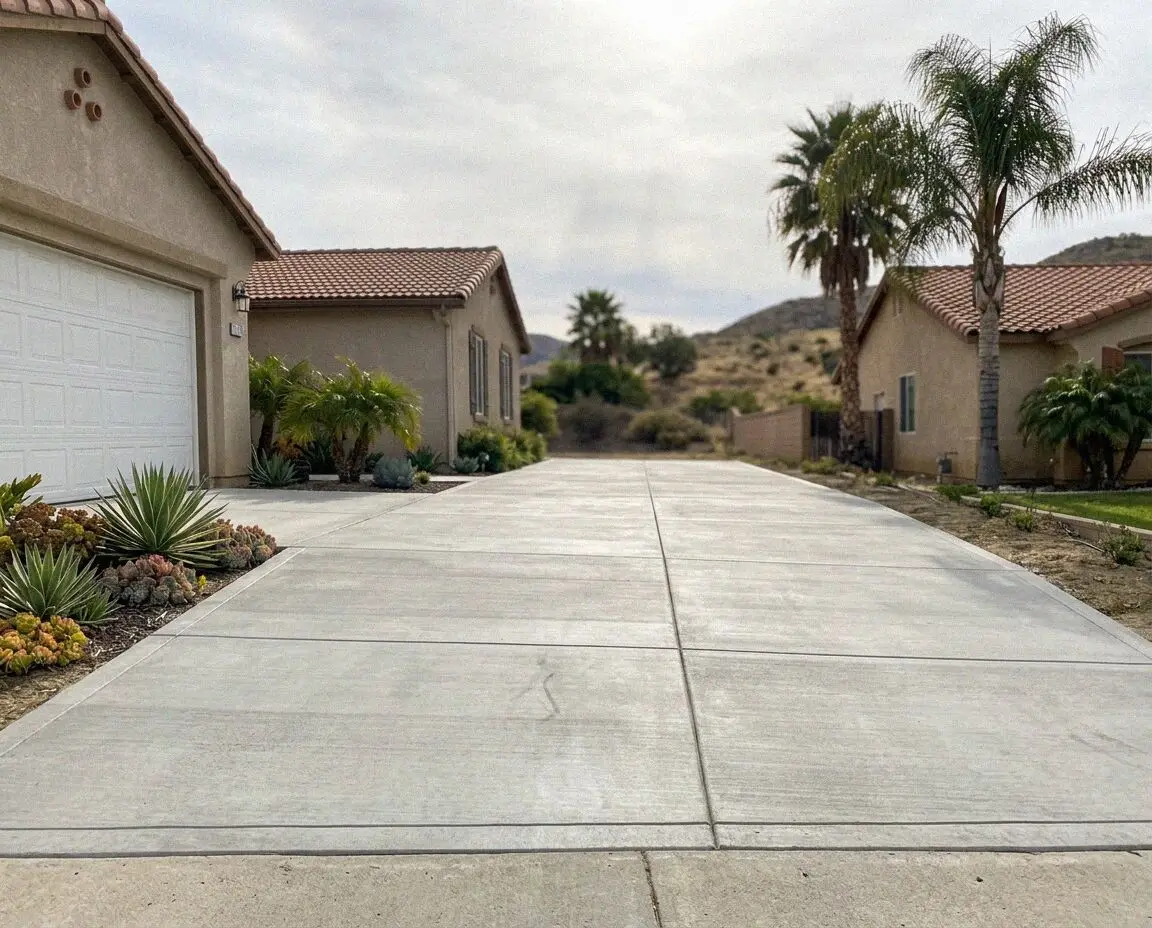
Cracking slab on shifting clay? We pour 4 inch thick slabs over 4 inches of compacted rock with rebar grids to stop Corona driveway shear.

Driveways, garage floors, patios and retaining walls, from the lots inside the Grand Boulevard circle out to the hill tracts above Foothill Parkway. A free estimate, measured at your property first.


 5.0 Stars Rated by our customers · Google, Facebook and the BBB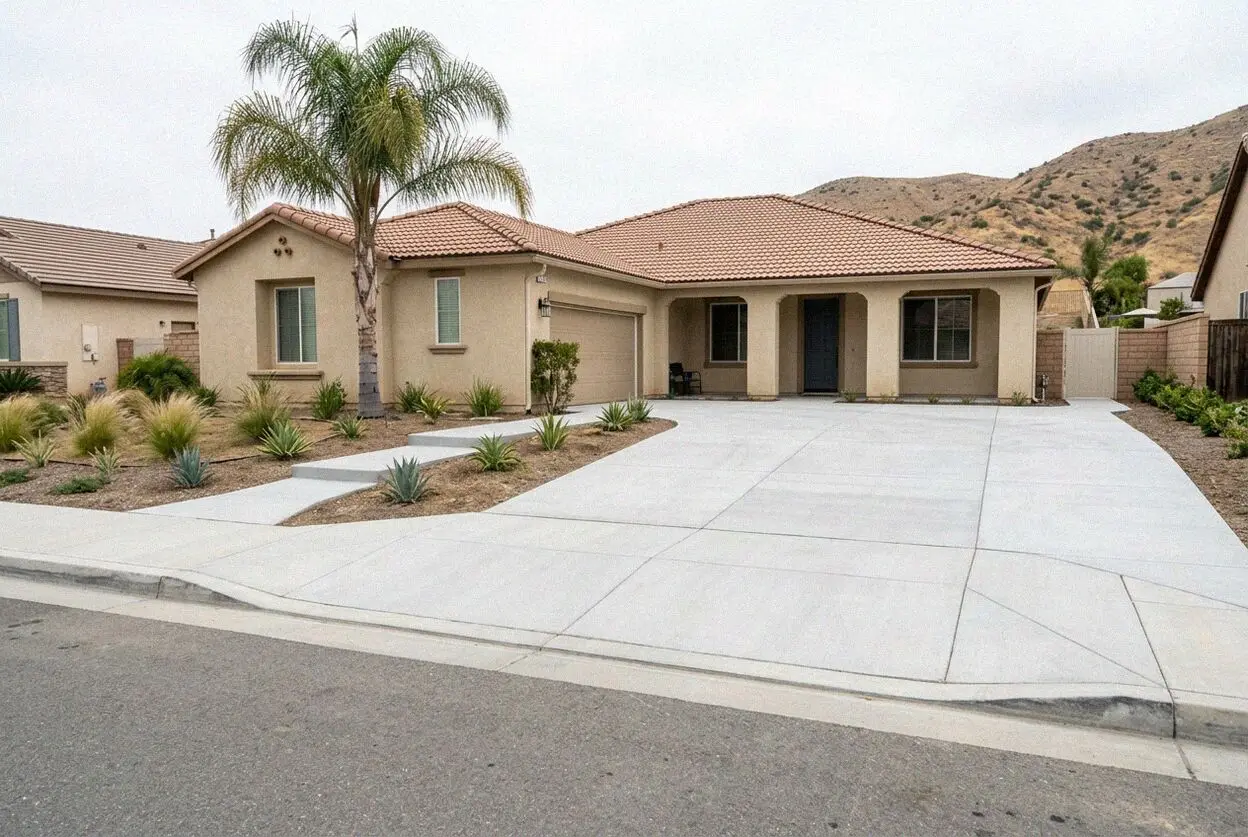
Circle City Corona Concrete pours across Corona, from the original townsite inside Grand Boulevard out to the tracts above Foothill Parkway and down Temescal Canyon. A driveway replacement, a garage floor taken out and repoured, a stamped patio, a wall holding the edge of a cut pad: all of it built to California code and to the load the slab actually carries.
Cracking slab on shifting clay? We pour 4 inch thick slabs over 4 inches of compacted rock with rebar grids to stop Corona driveway shear.
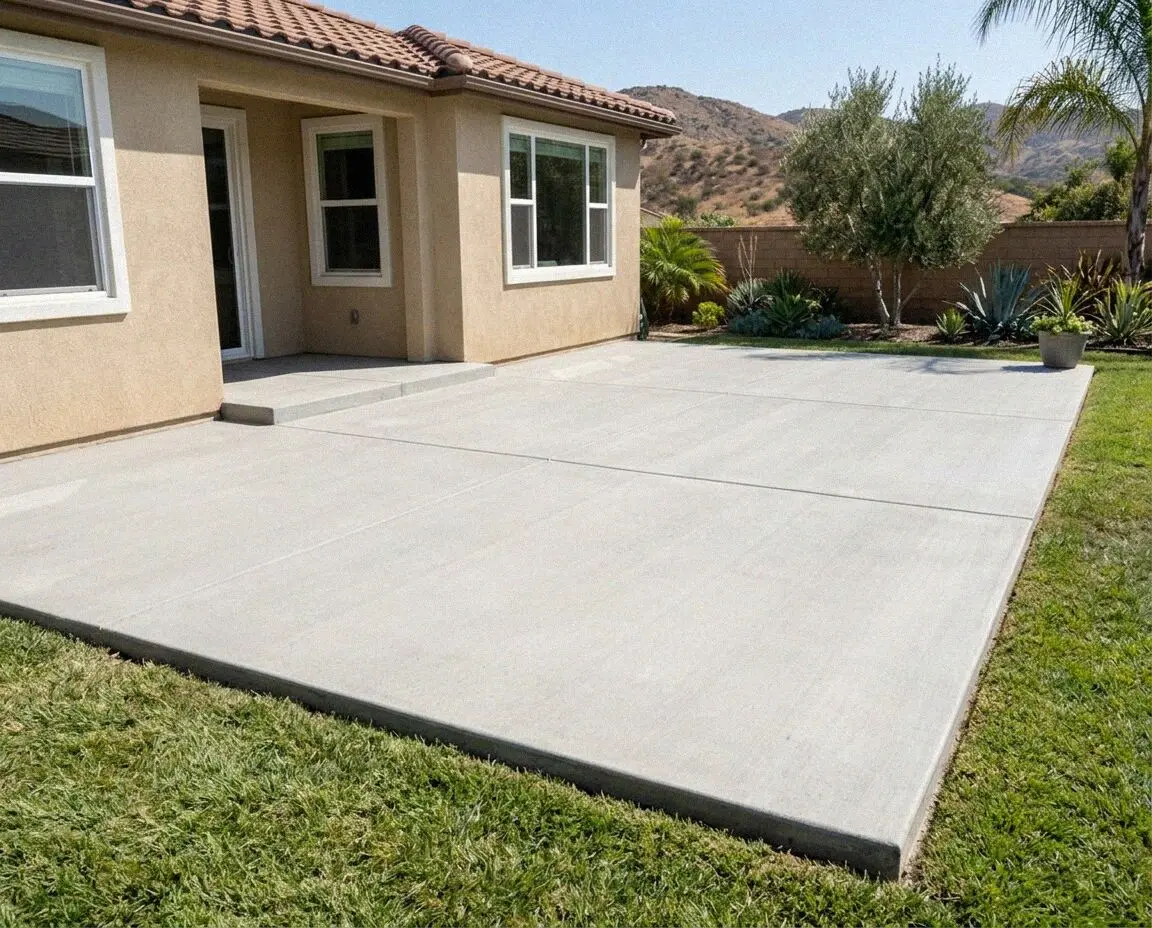
Does patio concrete heave on Corona clay? We pour four-inch slabs over four inches of crushed aggregate with rebar set on eighteen-inch grids.
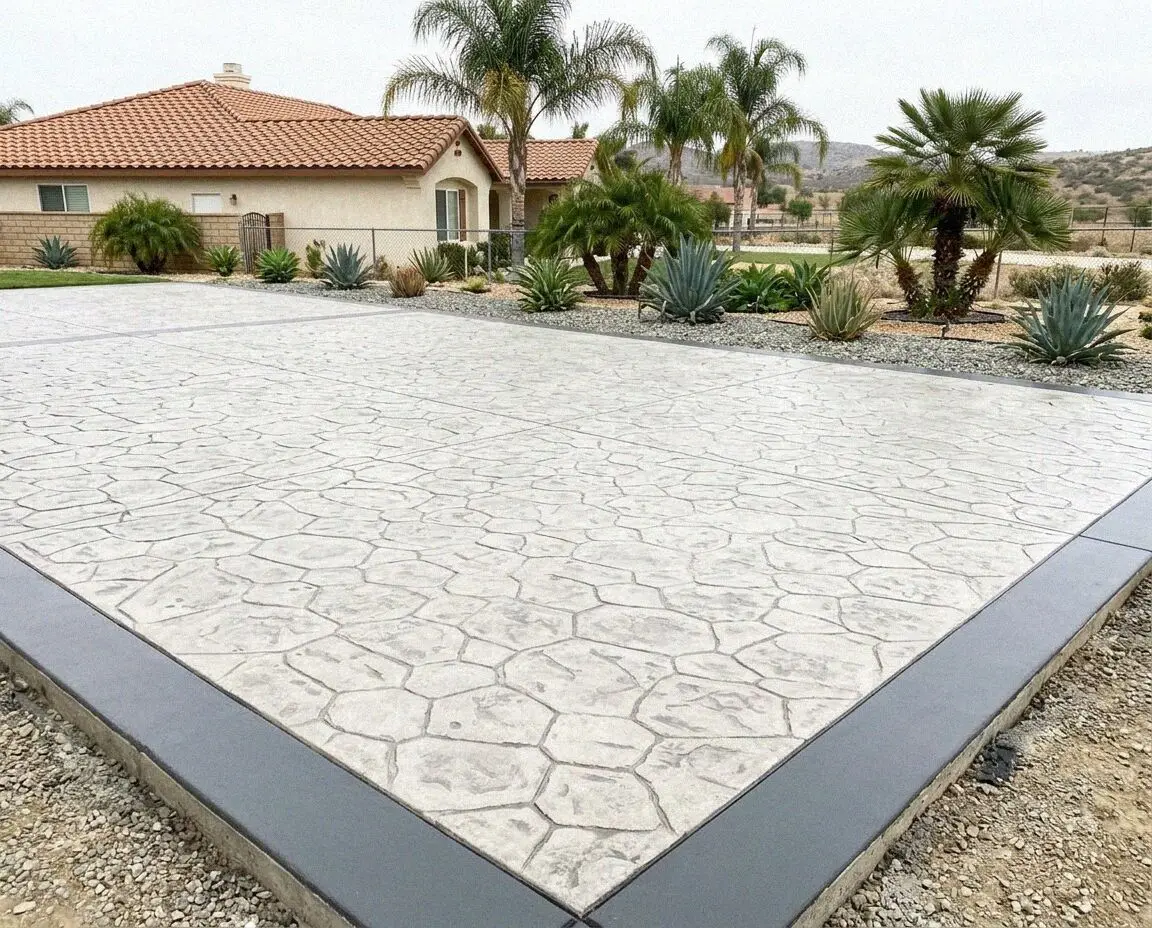
Worried about stamp pattern cracks in the heat? We place 4000 PSI concrete at 4 inches thick with integral color and cured saw joints.
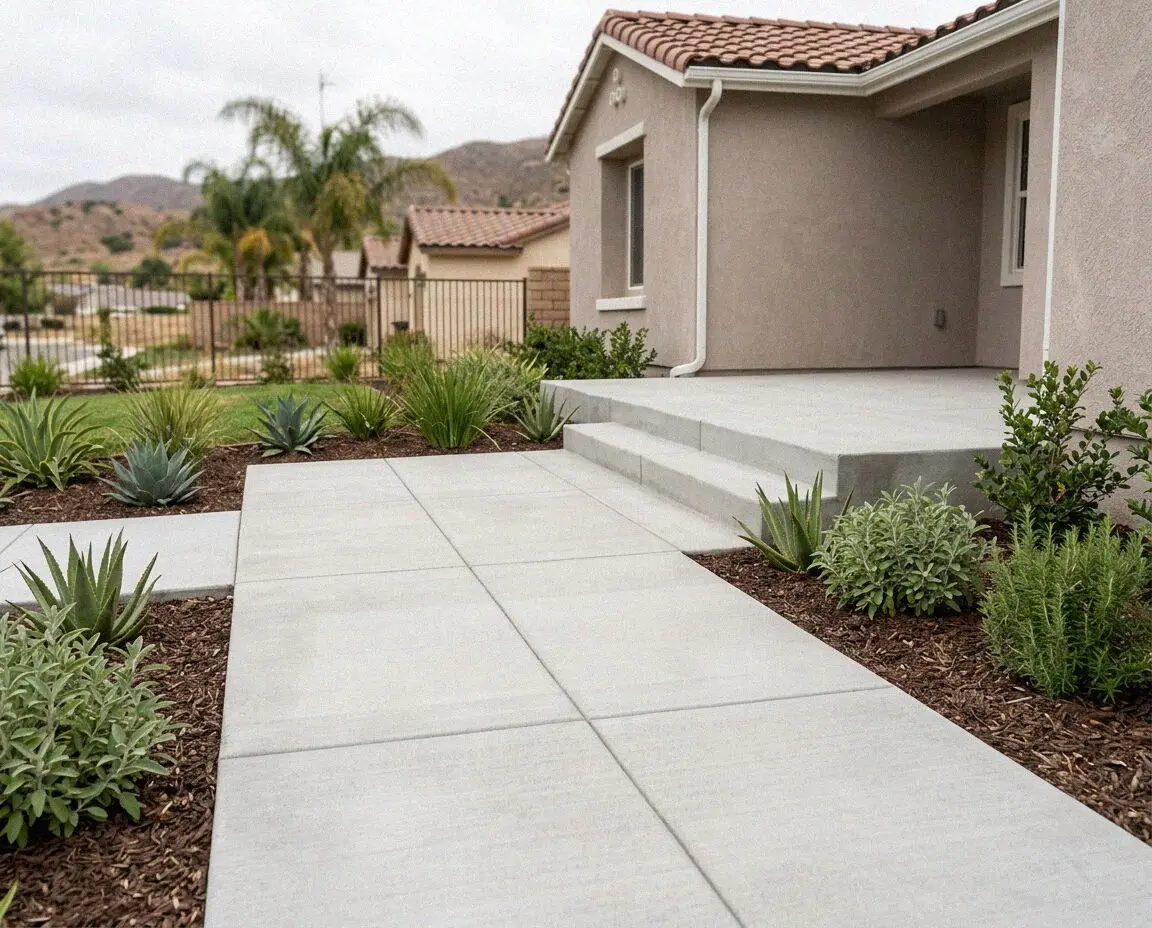
Are tree roots and clay lifting your path? We pour four inch slabs over compacted base with steel reinforcement across Corona properties.
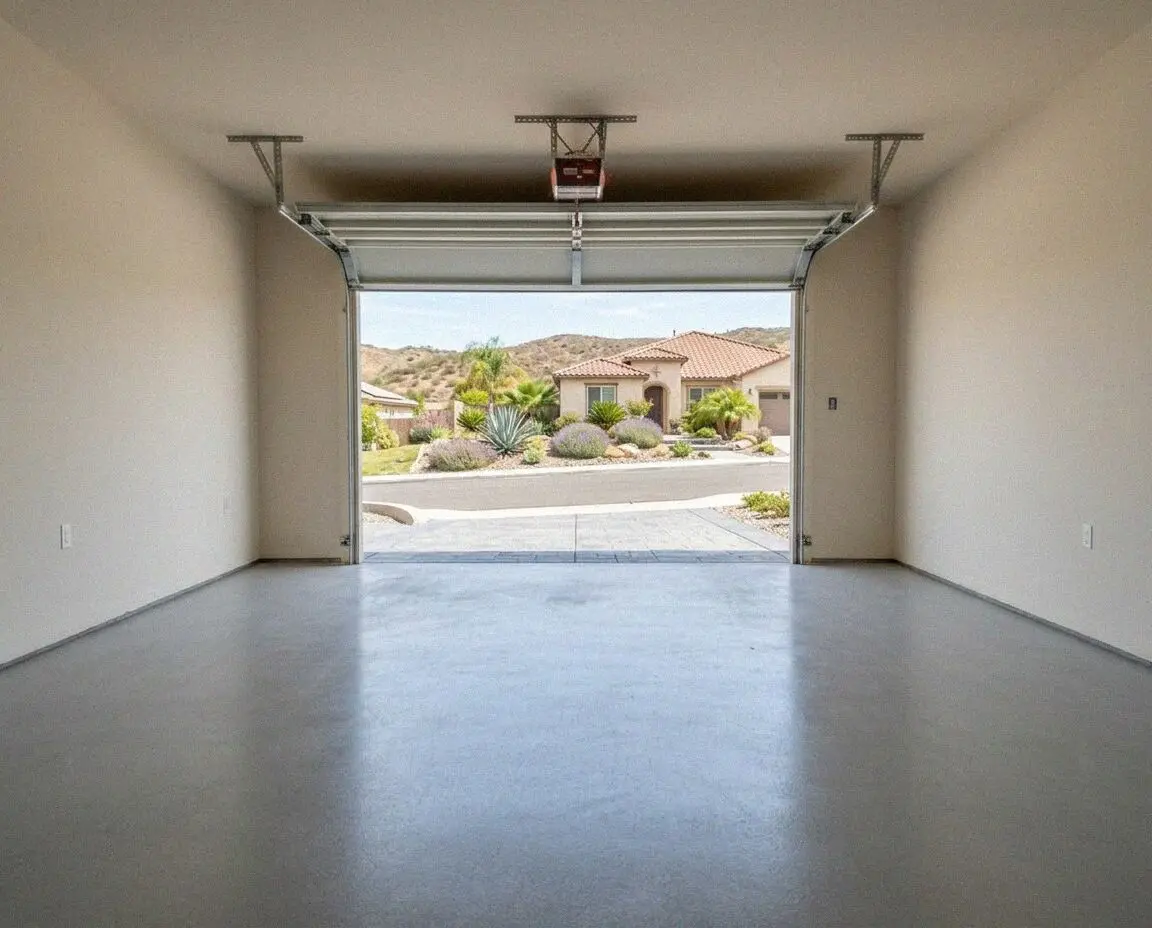
Is your garage floor cracking? We pour 4 inch slabs over 4 inches of compacted rock with steel rebar to support heavy trucks across Corona.
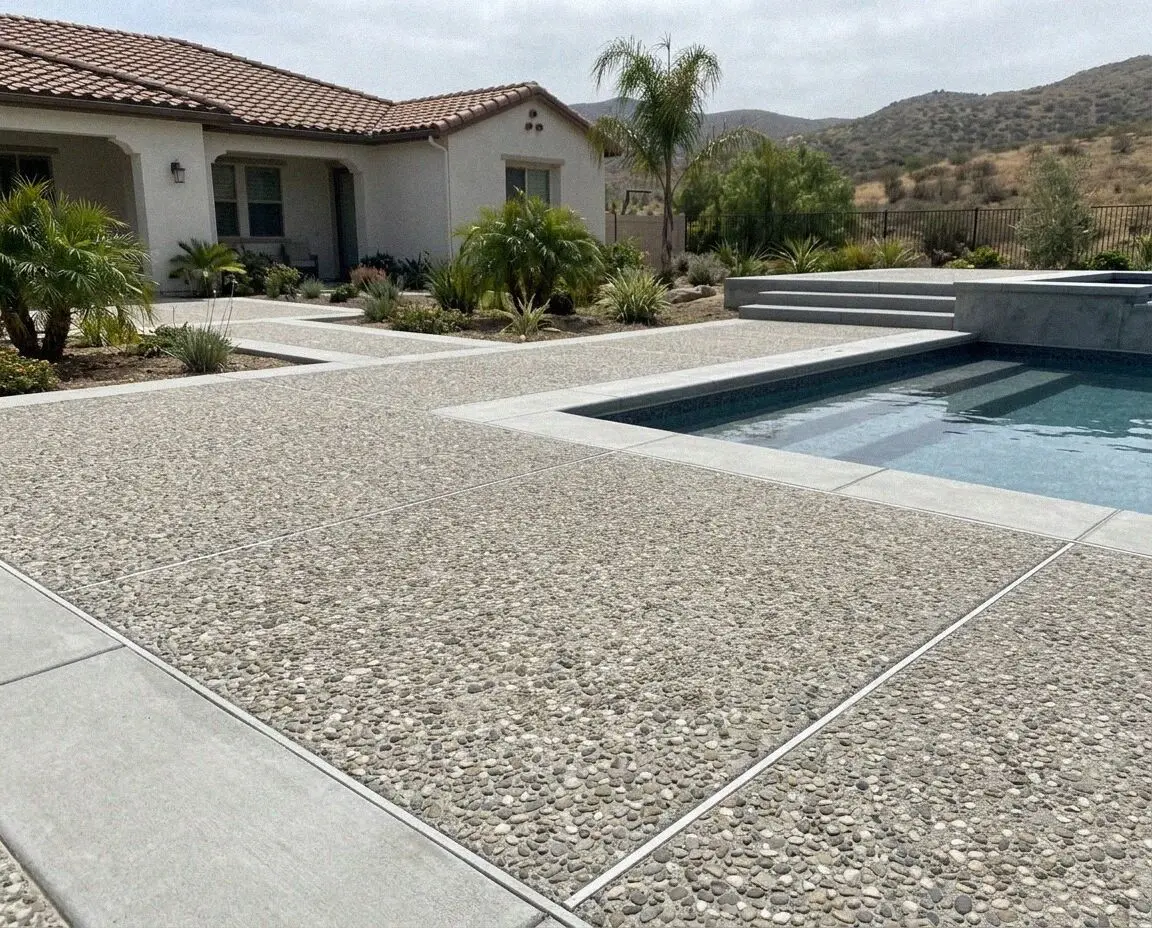
Will hot desert winds crack your decorative patio? We cast 4000 PSI concrete with integral color, rebar grids, and joints cut at 10 feet.
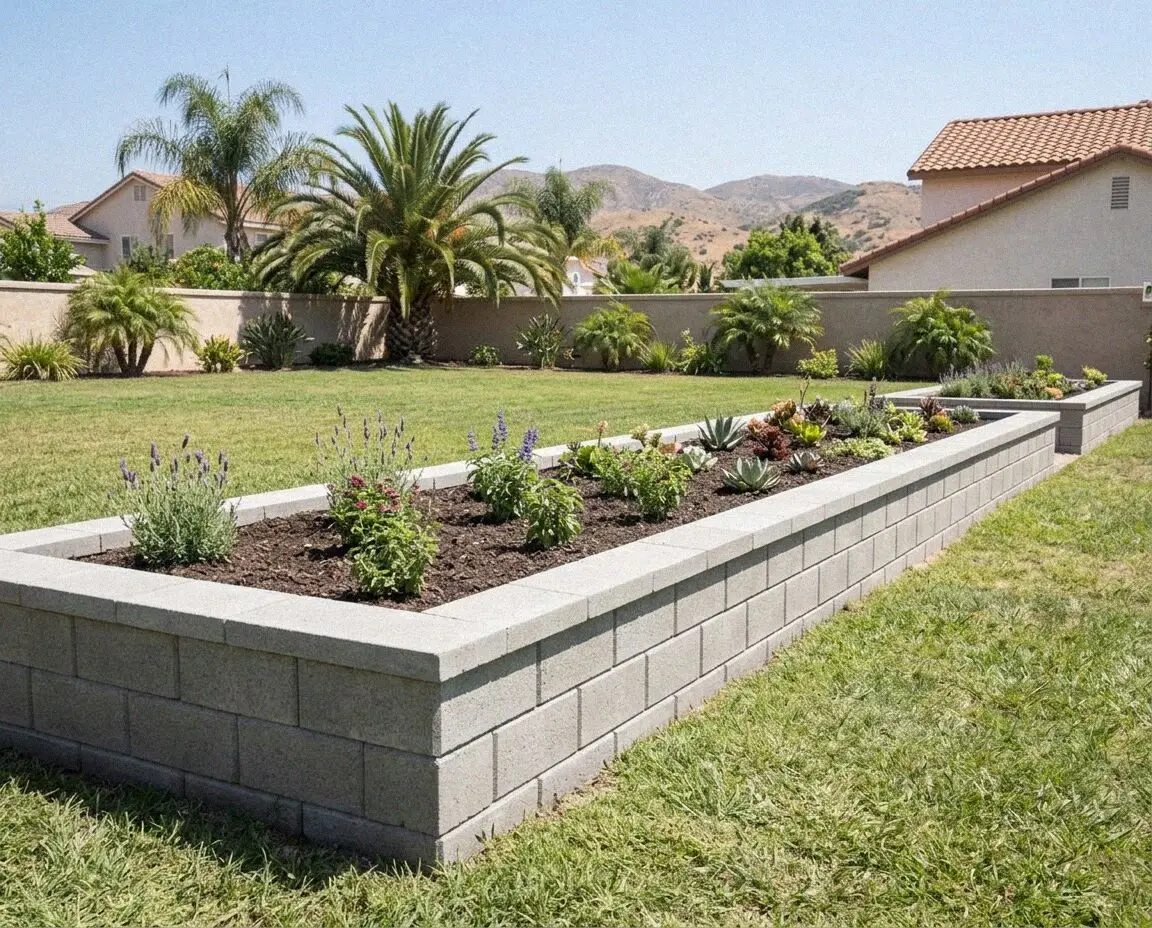
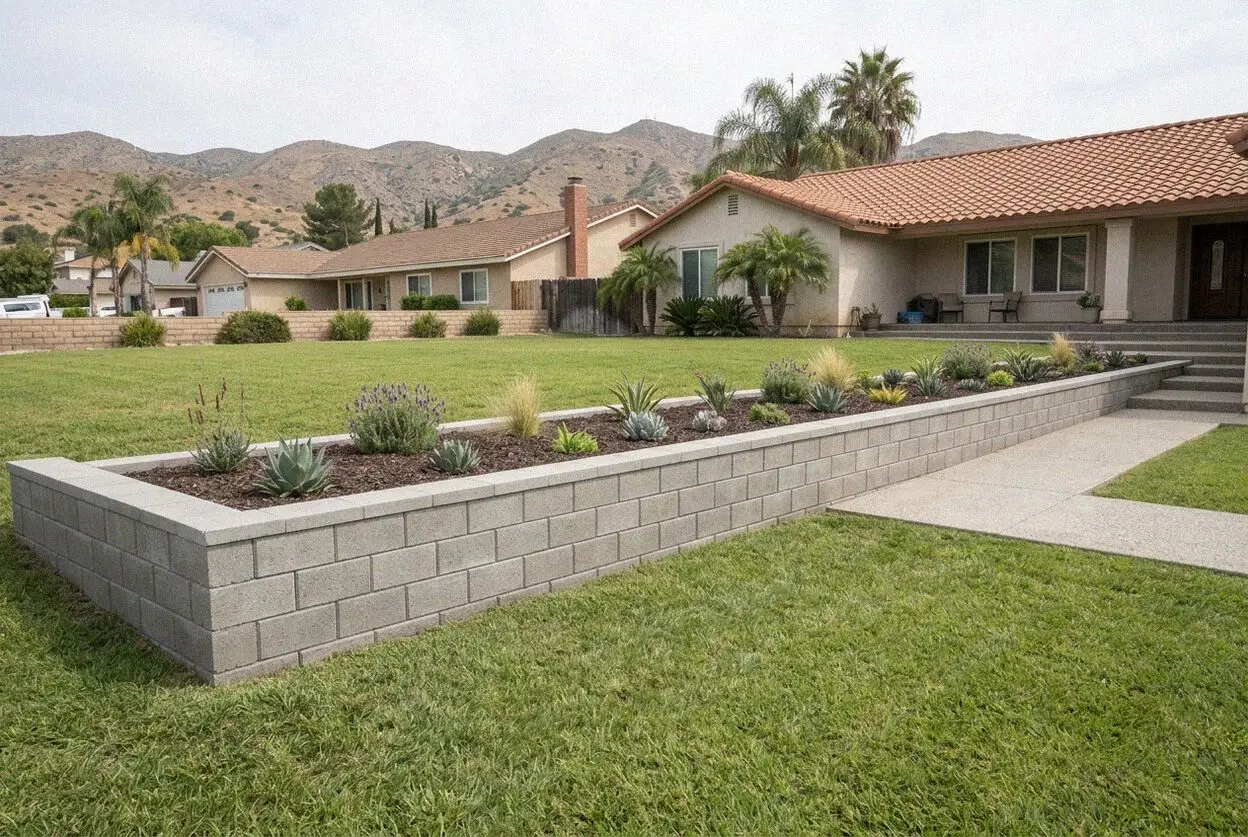
Is foothill soil creeping onto your lot? We cast solid retaining walls with two foot deep spread footings and rebar spaced every 16 inches.
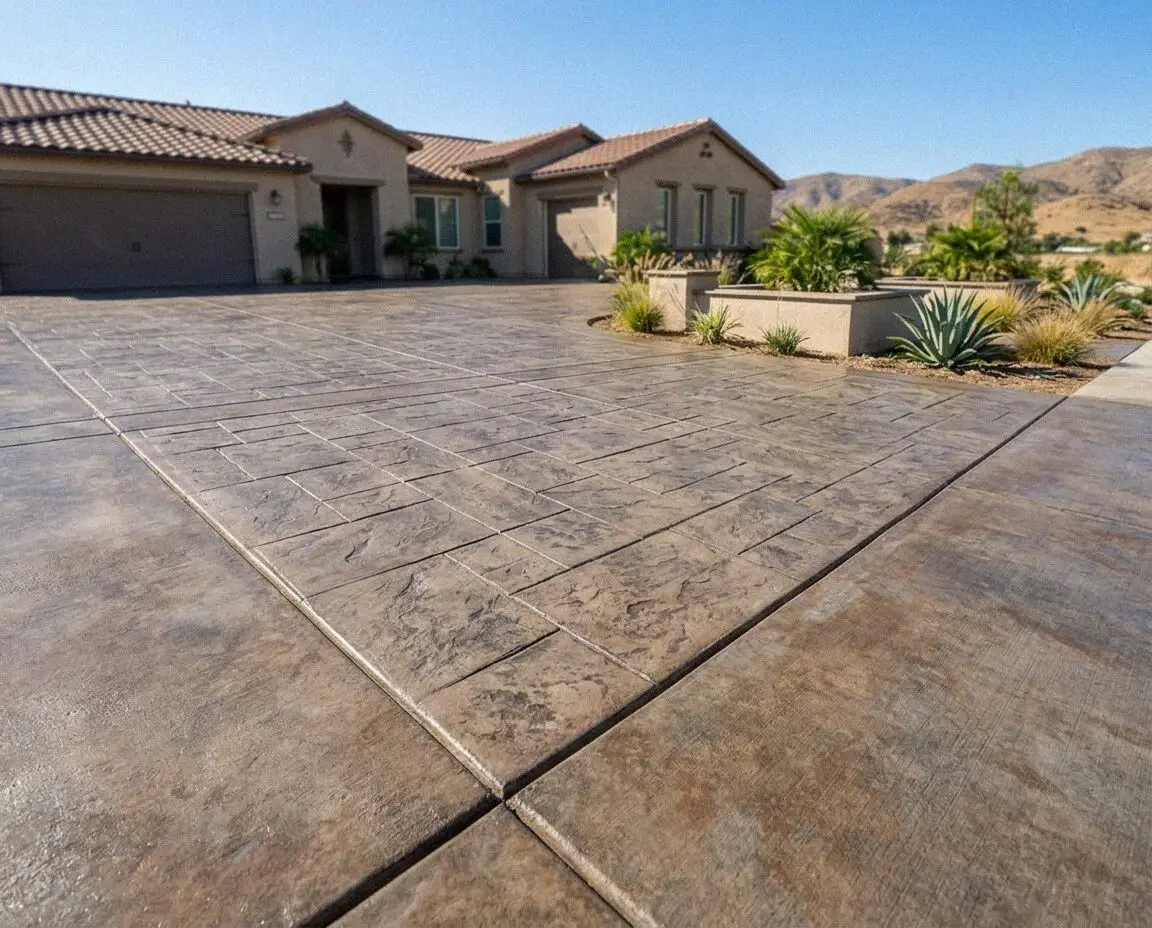
Dealing with damp or uneven subfloors? We cast flat four inch concrete floors over dense 15 mil vapor barriers to protect Corona homes.
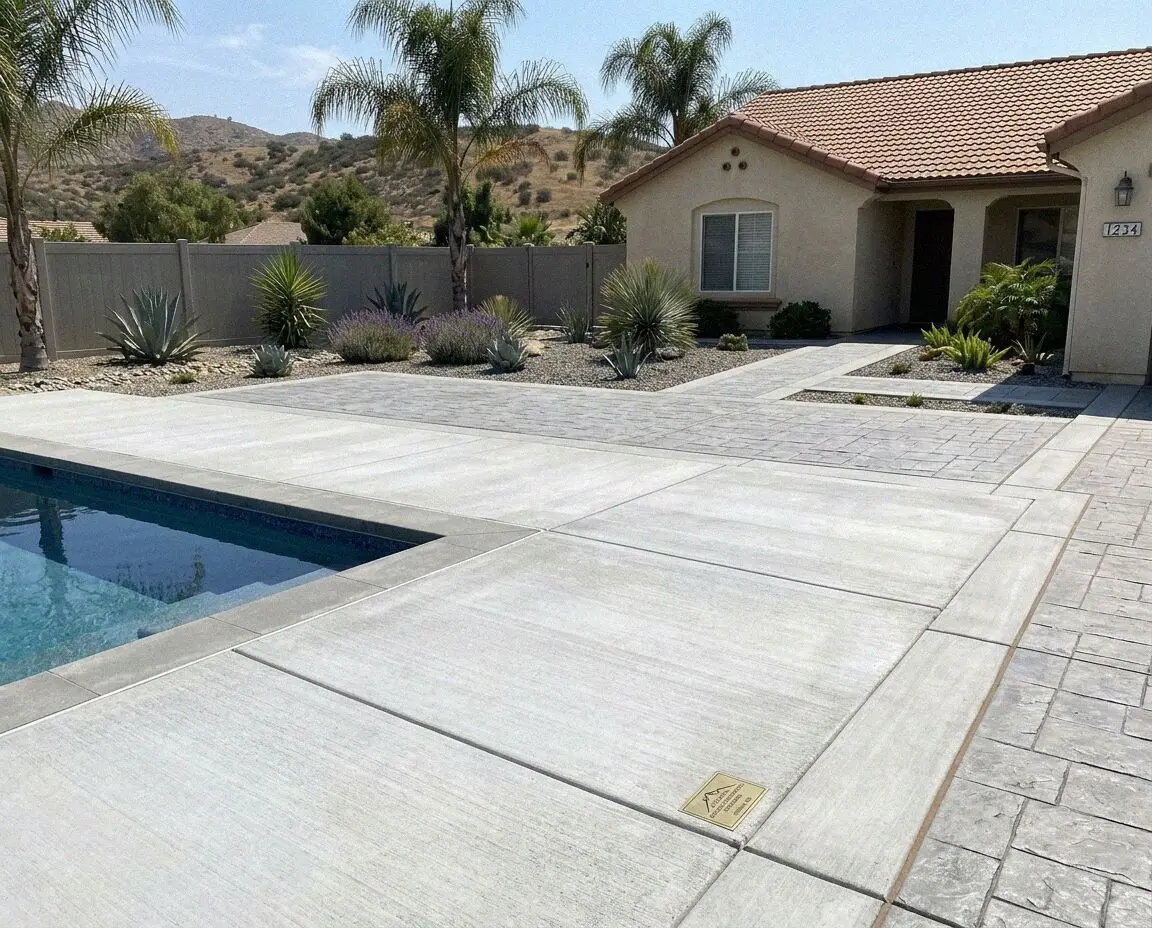
Does Corona ground heave crack your pool surround? We pour 4 inches of 4000 PSI concrete over compacted rock to stop coping detachment.
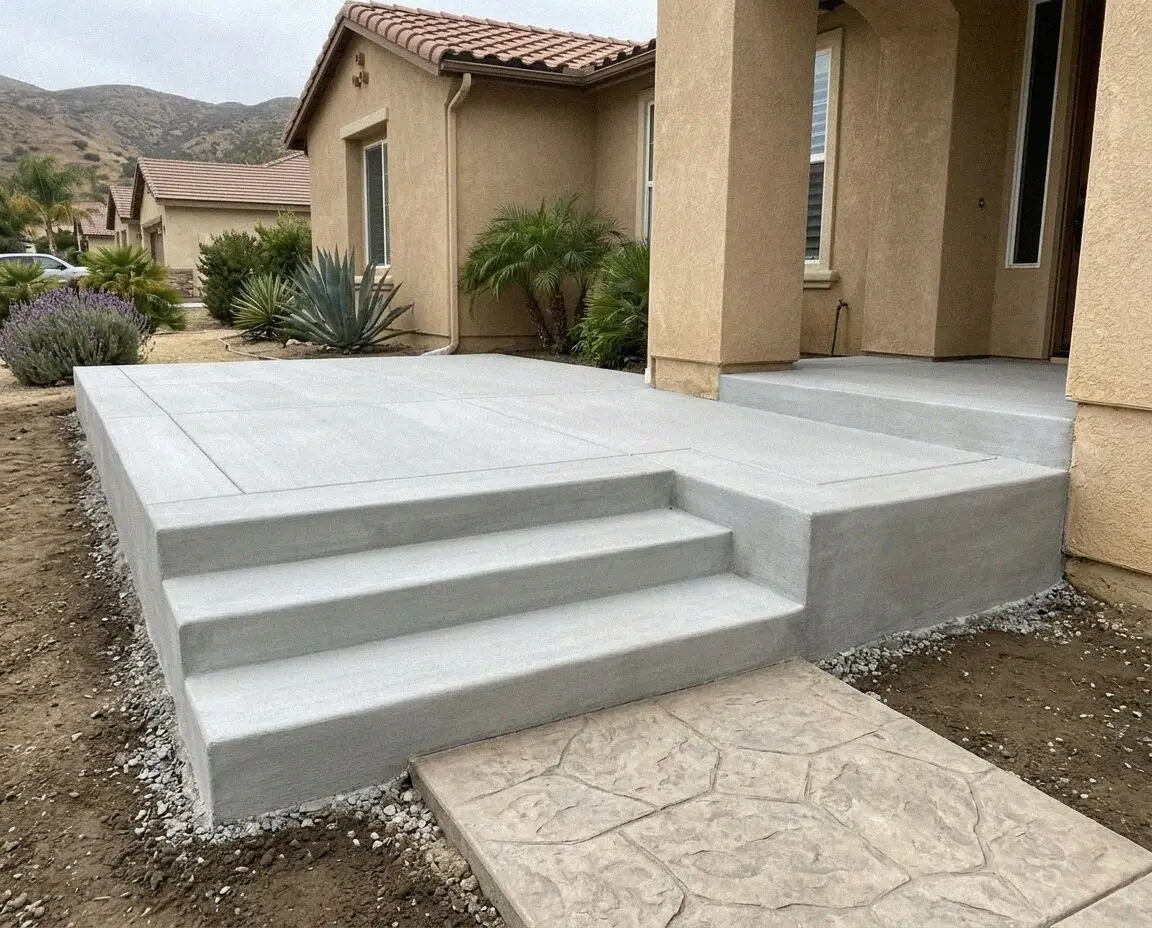
Are your porch steps pulling away from the slab? We cast 4,000 PSI concrete anchored with grade 60 steel rebar into the home foundation.
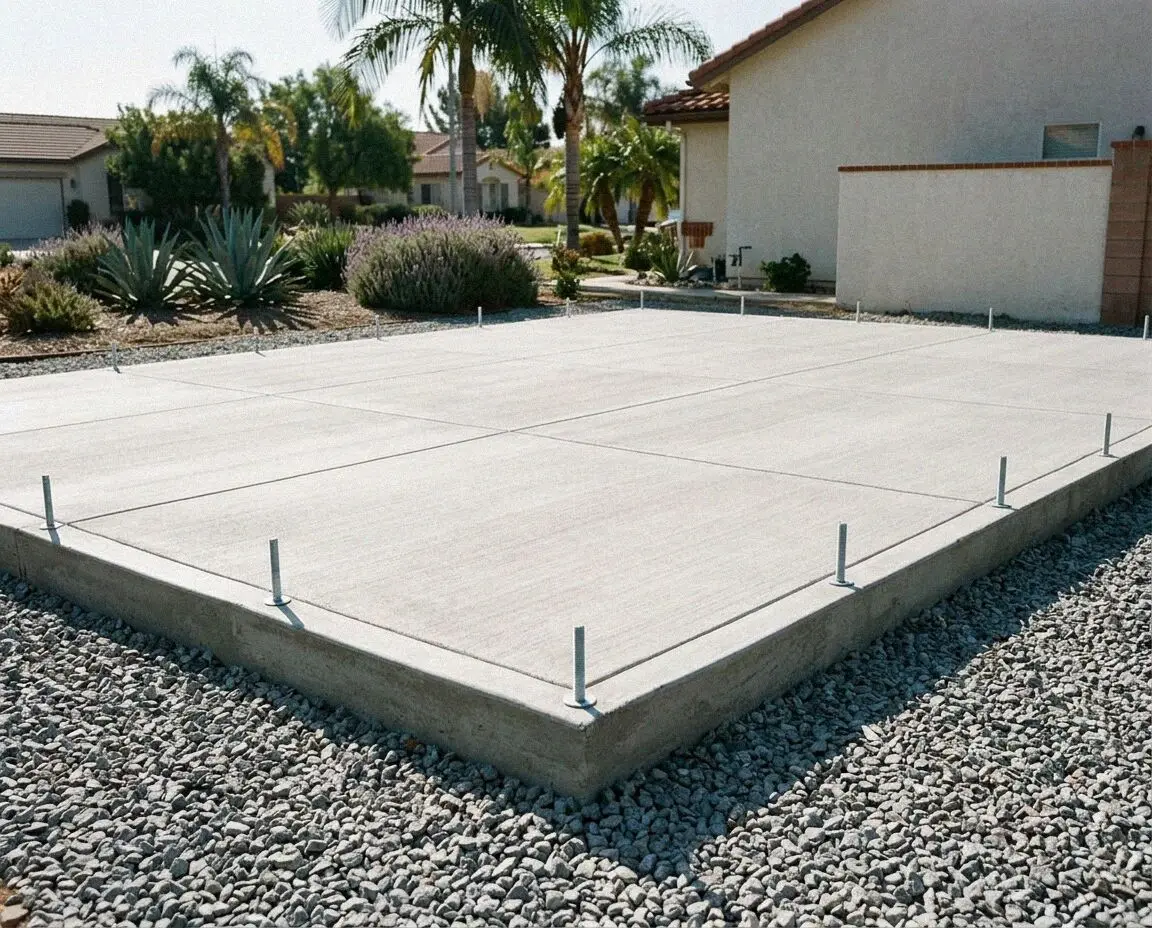
Worried about soil movement cracking your slab? We pour 18 inch deep perimeter footings with 4000 PSI concrete over 4 inches of crushed rock.
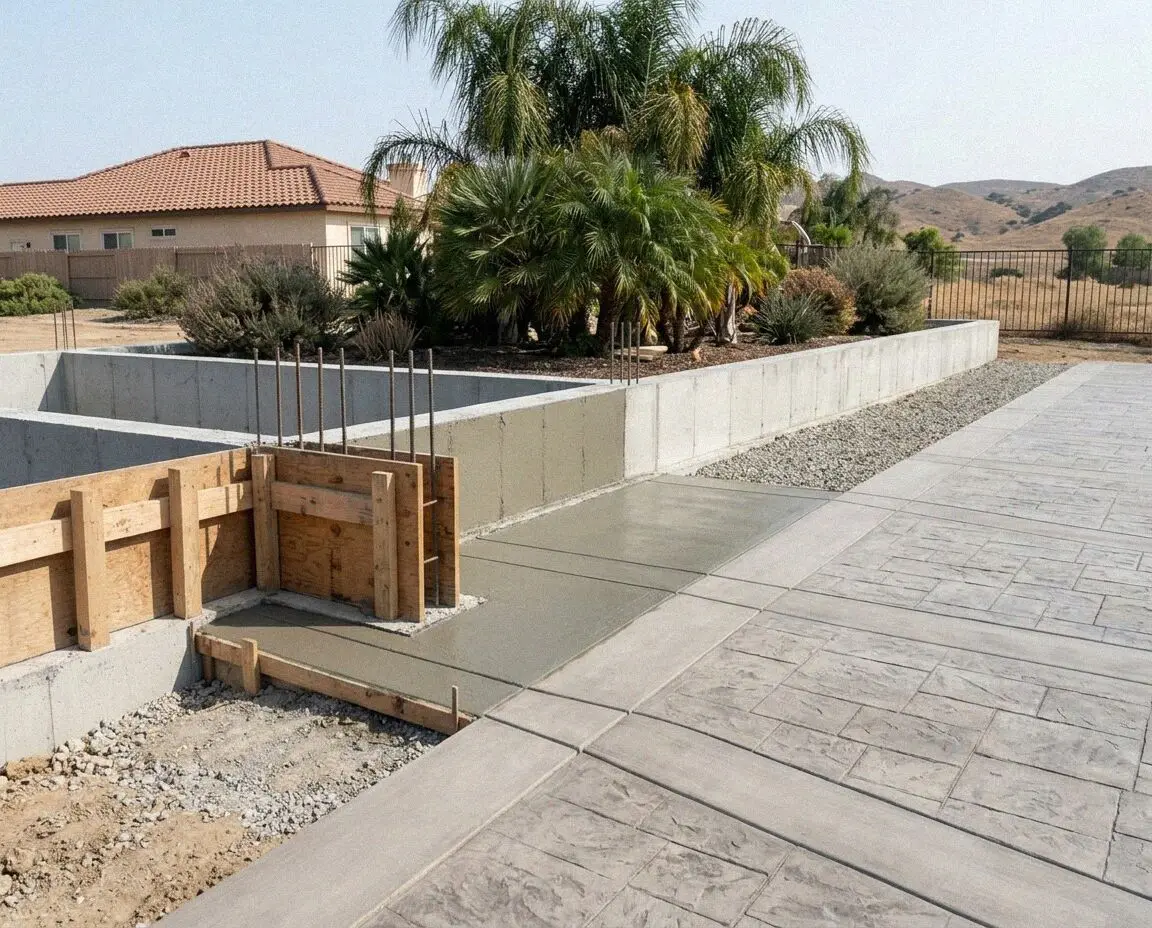
Concerned about clay soil in Corona? We cast perimeter footings eighteen inches deep with steel cages to prevent structural foundation heave.
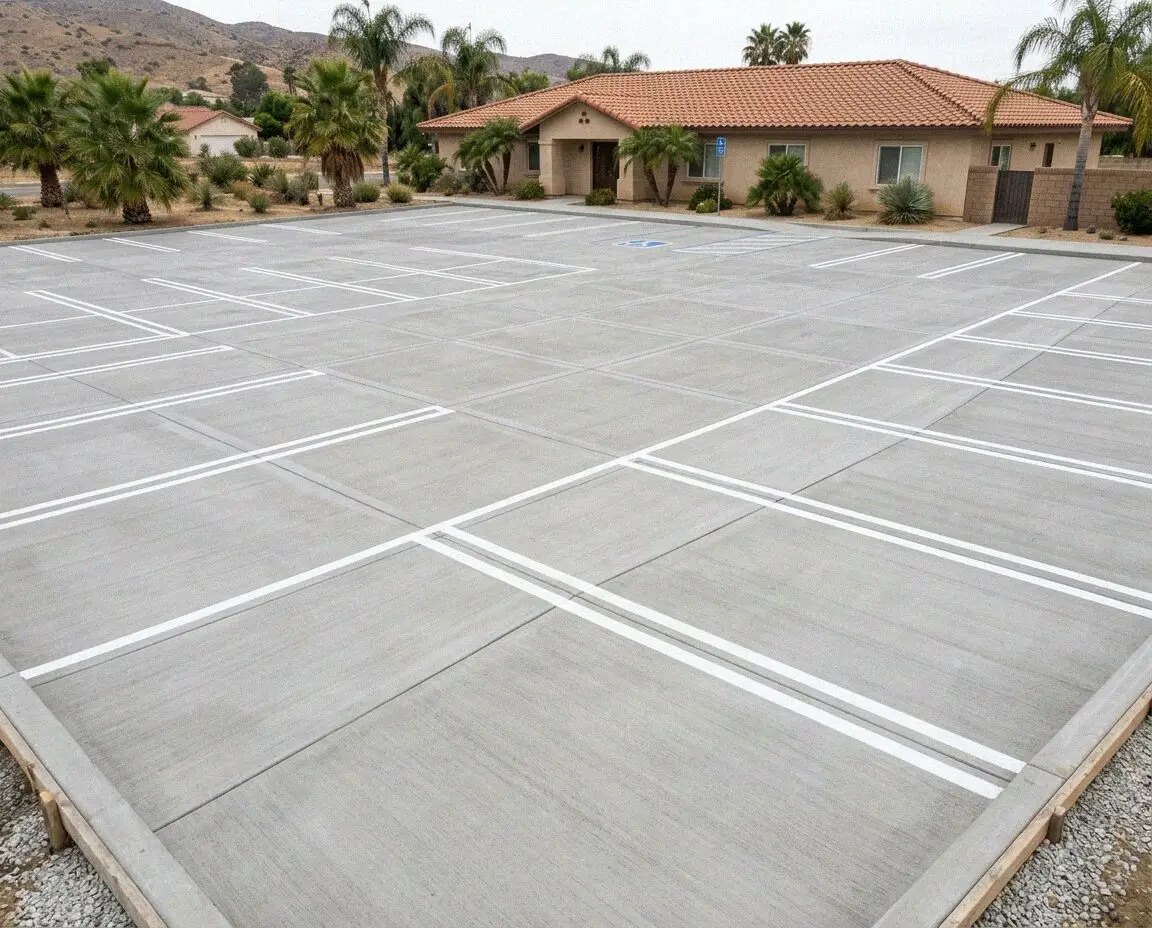
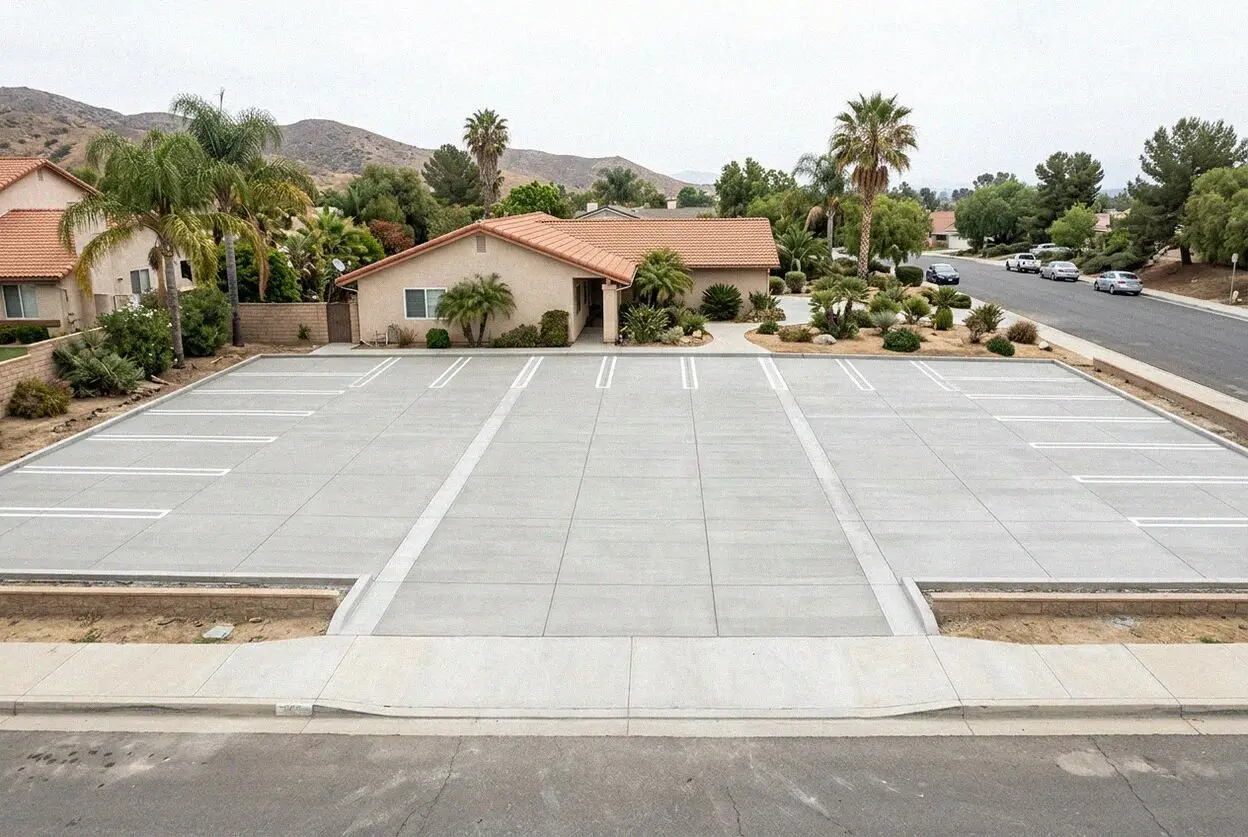
Need a commercial lot that stands up to heavy delivery trucks? We pour 6 inch slabs at 4,000 PSI over 4 inches of compacted crushed base.
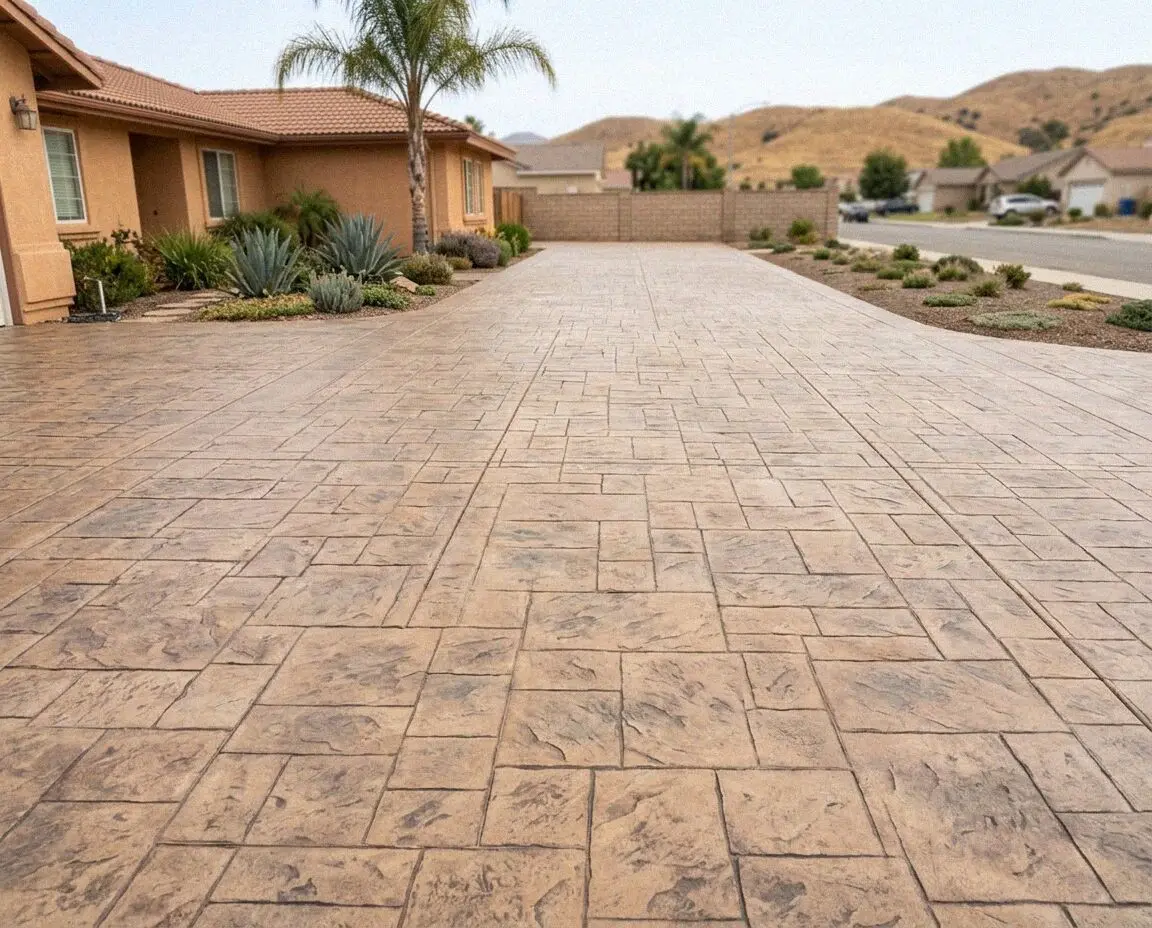
Will footings shift on Corona clay? We dig past loose topsoil to embed grade beams and pad footings into dense bearing strata at 24 inches.
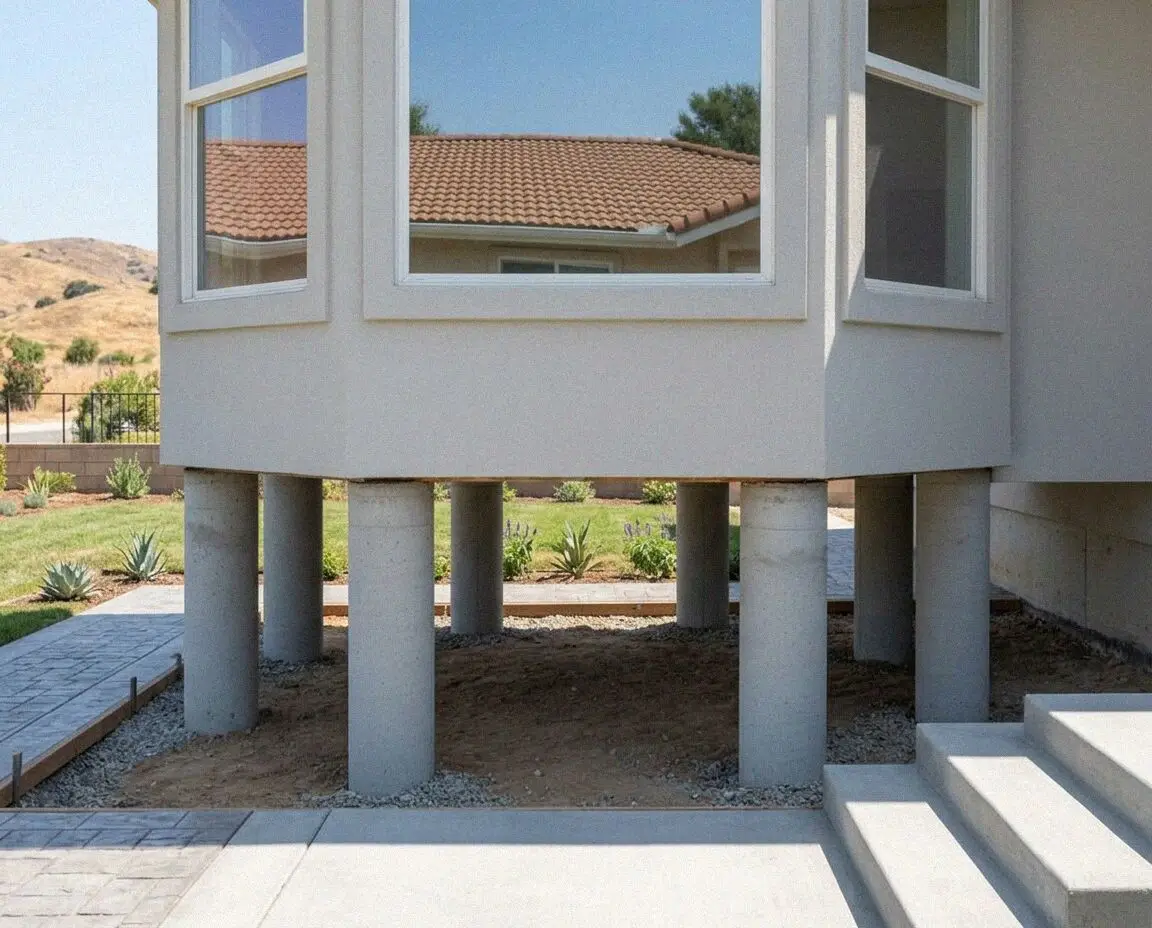
Has soil movement dropped your slab? We lift sunken foundations across Corona using steel piers driven 15 feet down to dense load strata.
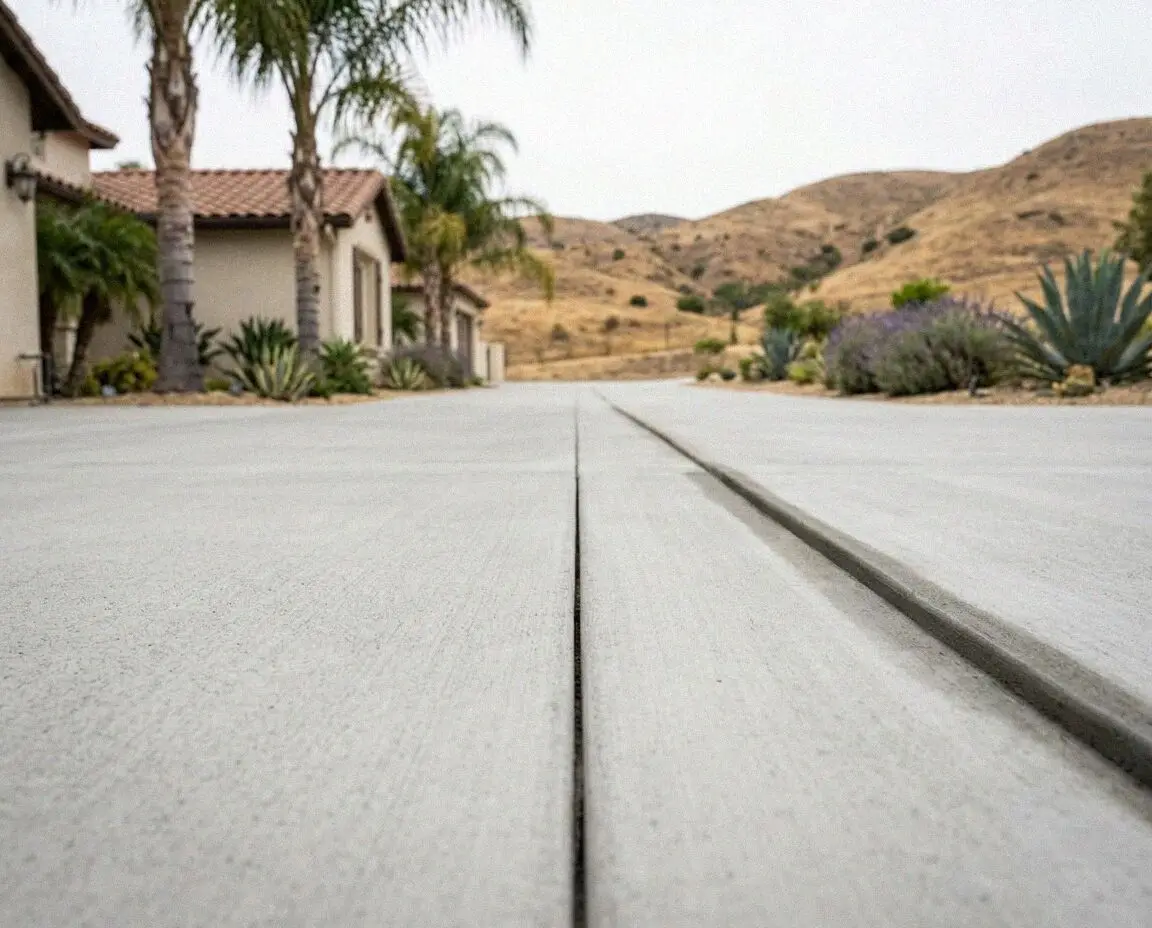
Need slab trenches cut without fracturing the surrounding concrete? We operate wet diamond saws down to eight inches with zero impact shock.
Four steps from the first call to the finished slab. Miguel Arreola measures at step two and is on the site for the pour at step three, so the man who wrote the number is the man on the trowel.
Call or send the form. You hear back within 1 business day, and the free on-site visit lands on a day inside the same week.
We check the fall, probe the subgrade and measure the work, then write the estimate itemized by demolition, base, pour, finish and cleanup.
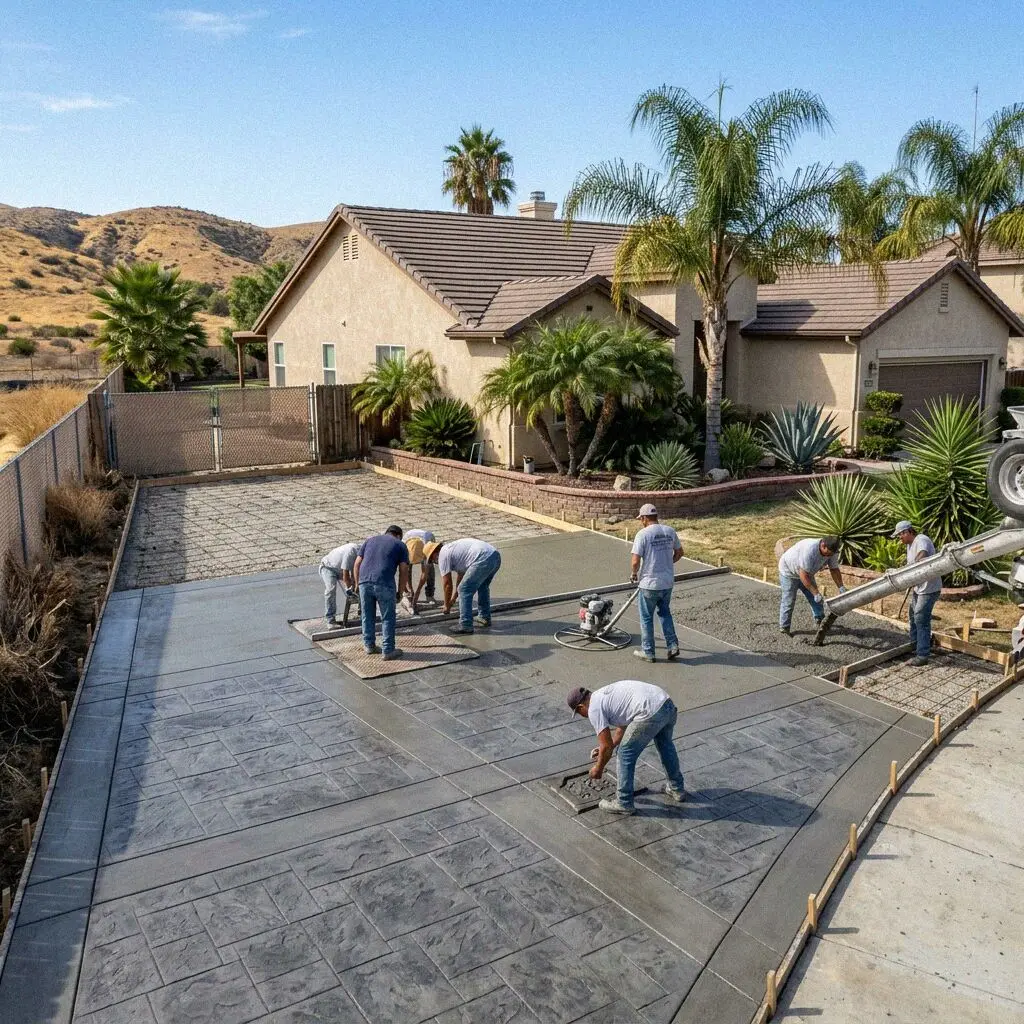
You approve it, we file whatever permit the job needs, then run it: demolition, base, forms, the pour, the finish, the joints the same day.
We clear the site and walk the finished slab against the written estimate, base, thickness, joints, finish, and close it on your say-so.
The classification is C-8 Concrete, held with the California Contractors State License Board and checkable on their register by name. Liability insurance rides with the crew from a citrus-era frontage inside the circle to a hillside pad above Foothill Parkway.
Miguel Arreola opened the business here in 2019, after 17 years on Inland Empire crews. The clay coming off the Temescal slopes, the 1920s lots inside Grand Boulevard and the counter at the Building Division on Vicentia Avenue are known first-hand rather than read about.
The visit costs nothing, and in Corona it opens with a level and a probe. A tract pad cut and filled in the 1990s and a lot inside the circle poured in the 1920s fail for opposite reasons, and which you have decides the base. Every part of the job is itemized in writing.
Every pour carries a written workmanship guarantee against defects in how it was built. What we see most on the south slopes is an edge dropped where fill was never keyed into the cut, and that one is ours to put right. Movement the joints absorb is not, and we say so.
Not sure what you need yet? (951) 555-0174 or send us a message.
In Their Words
Homeowners across Riverside County rate Circle City Corona Concrete 5.0 on Google, Facebook and the BBB. Three of them describe a different job below: a driveway, a pool deck and a garage floor.
“Our place inside the circle had a driveway that was more patch than concrete. They took out 520 square feet, dug the old fill down to firm ground and poured 5 inches. Miguel re-formed the approach so it meets the curved curb square instead of at an angle.”
“The deck around our pool in Eagle Glen was cracking and too hot to stand on. They poured 610 square feet in a light broom finish, cut the joints on a 10-foot grid and sealed it at 28 days. Two summers on it is flat and we can cross it barefoot at noon.”
“Our garage floor up in Corona Hills was dusting and cracked corner to corner. They repoured 460 square feet at 5 inches over a vapor barrier, sawed the joints on a 12-foot grid and sealed it. The HOA submittal was handled before the truck ever turned up.”
About Circle City Corona Concrete
Circle City Corona Concrete is a locally owned concrete contractor in Corona, CA. Founded in 2019 by a contractor with 17 years on Inland Empire crews, we take on residential and commercial concrete across 20 cities in Riverside, San Bernardino, Orange and Los Angeles counties.
We pour driveways, garage floors, patios, pool decks, retaining walls and stamped finishes, in a city that holds citrus-era lots inside a boulevard drawn as a circle in 1886 and master-planned hillsides poured a century after them. Every pour is backed by a written workmanship guarantee.
We hold an active C-8 Concrete license with the California Contractors State License Board, carry liability insurance on every job, and file through the Corona Building Division on Vicentia Avenue, meeting the inspector ourselves. Every estimate is measured and written on site.
The Specification
One specification whatever the job: the ground is proved before anything is laid, base is compacted in layers, the pour is 4 to 6 inches to the load it carries, and the joints are sawn the day it goes down rather than the next morning.
These are streets you already drive, a driveway off Grand Boulevard, a pool deck out at Eagle Glen, a wall keeping a pad edge in place above Temescal Canyon. Near enough to go and look at one on the way home.
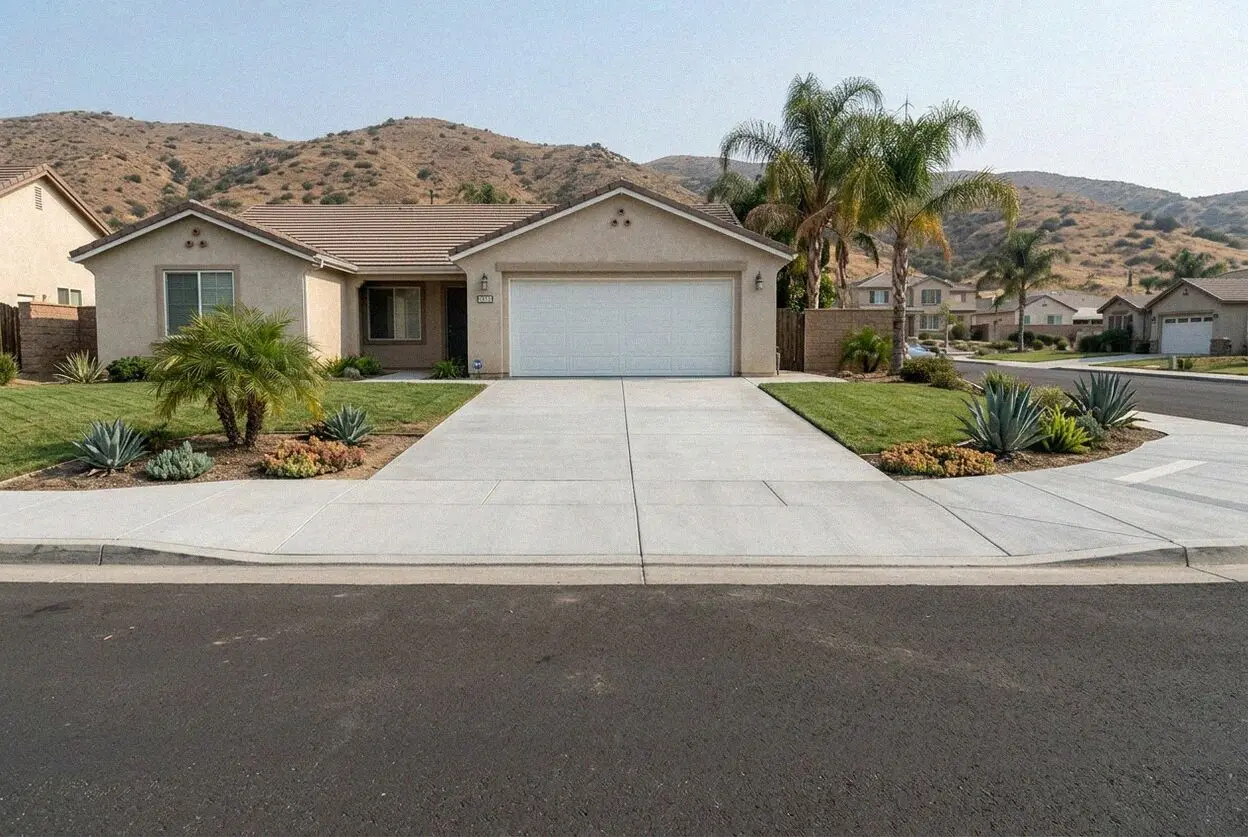
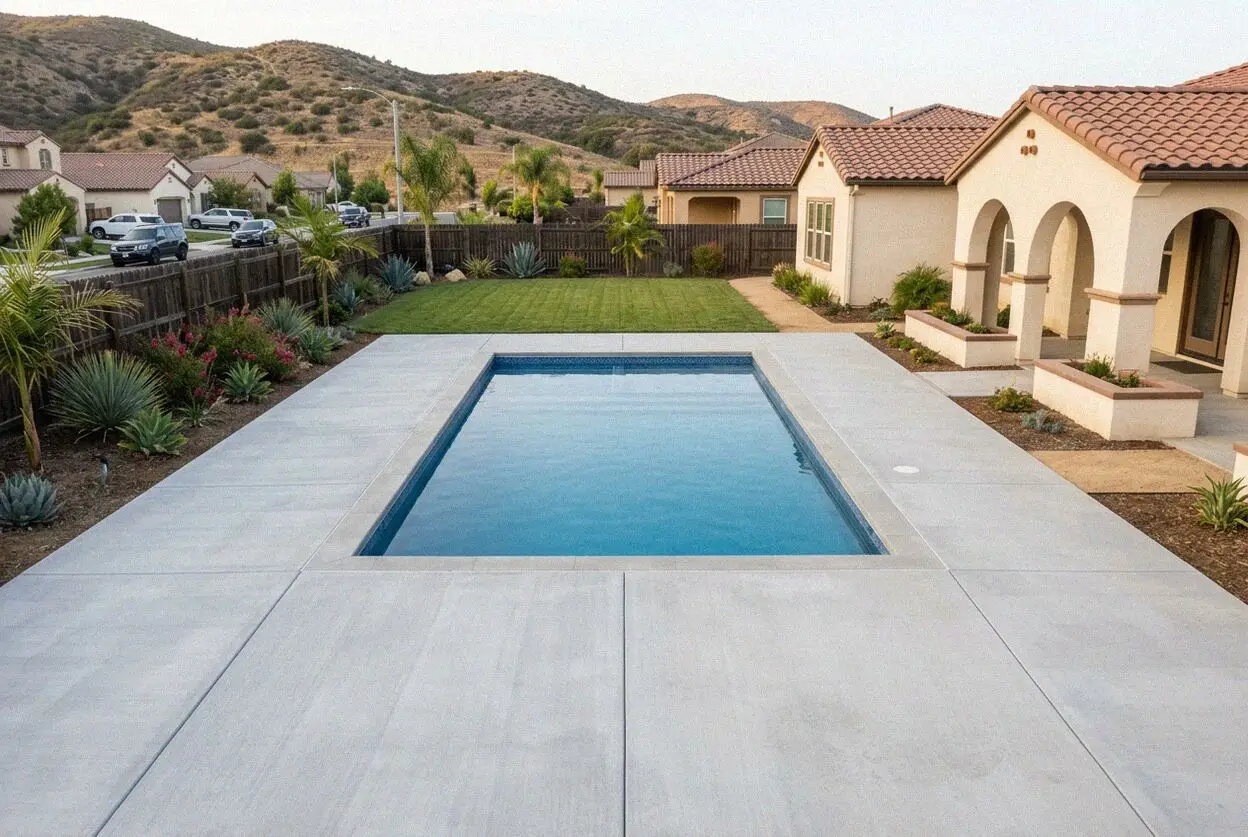
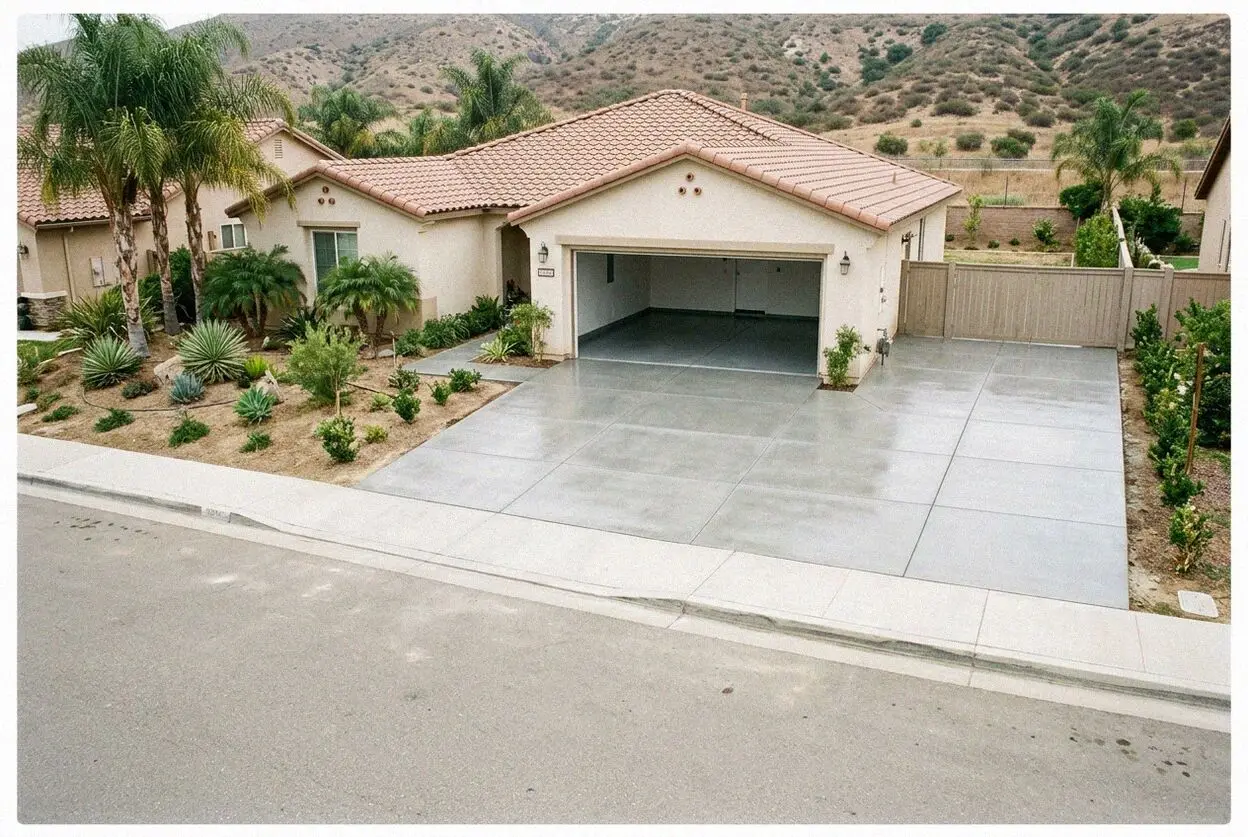
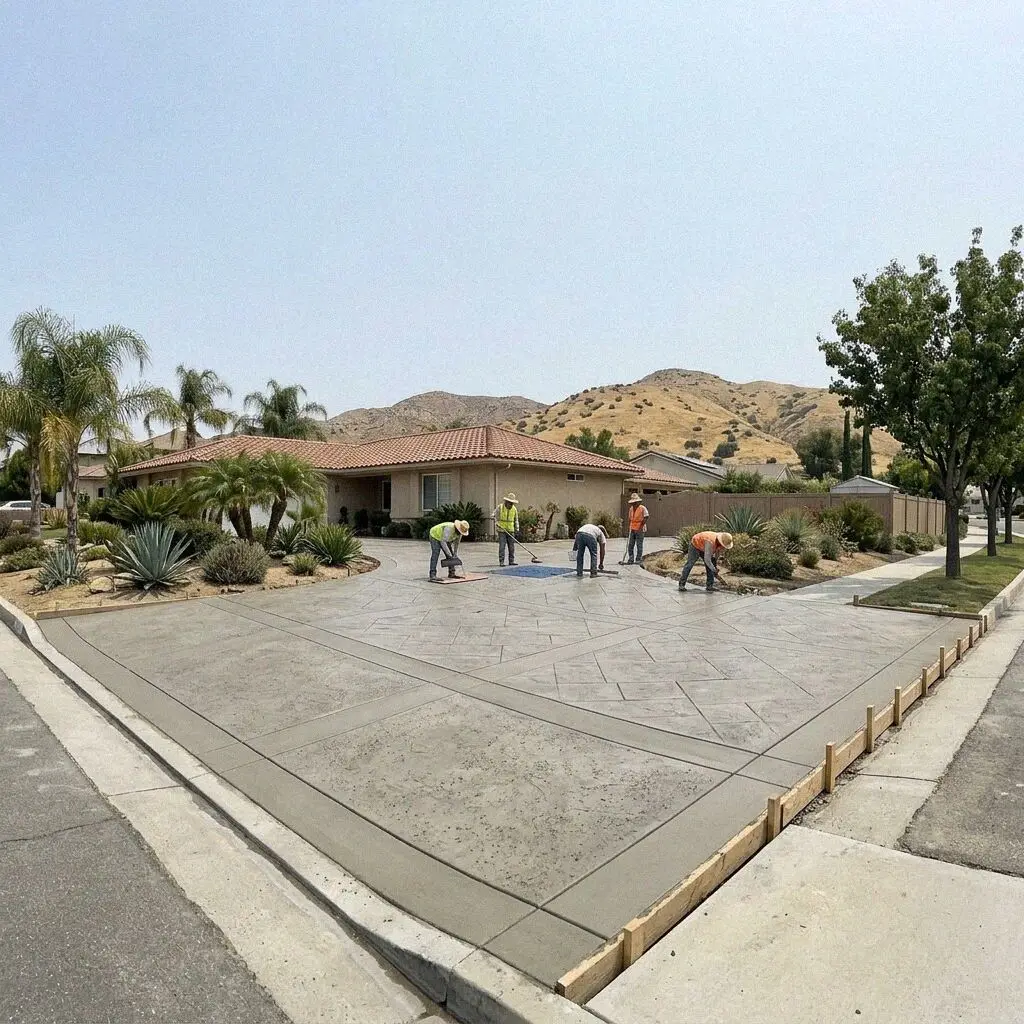
460 sq ft at 5 in · Joints on a 12 ft grid
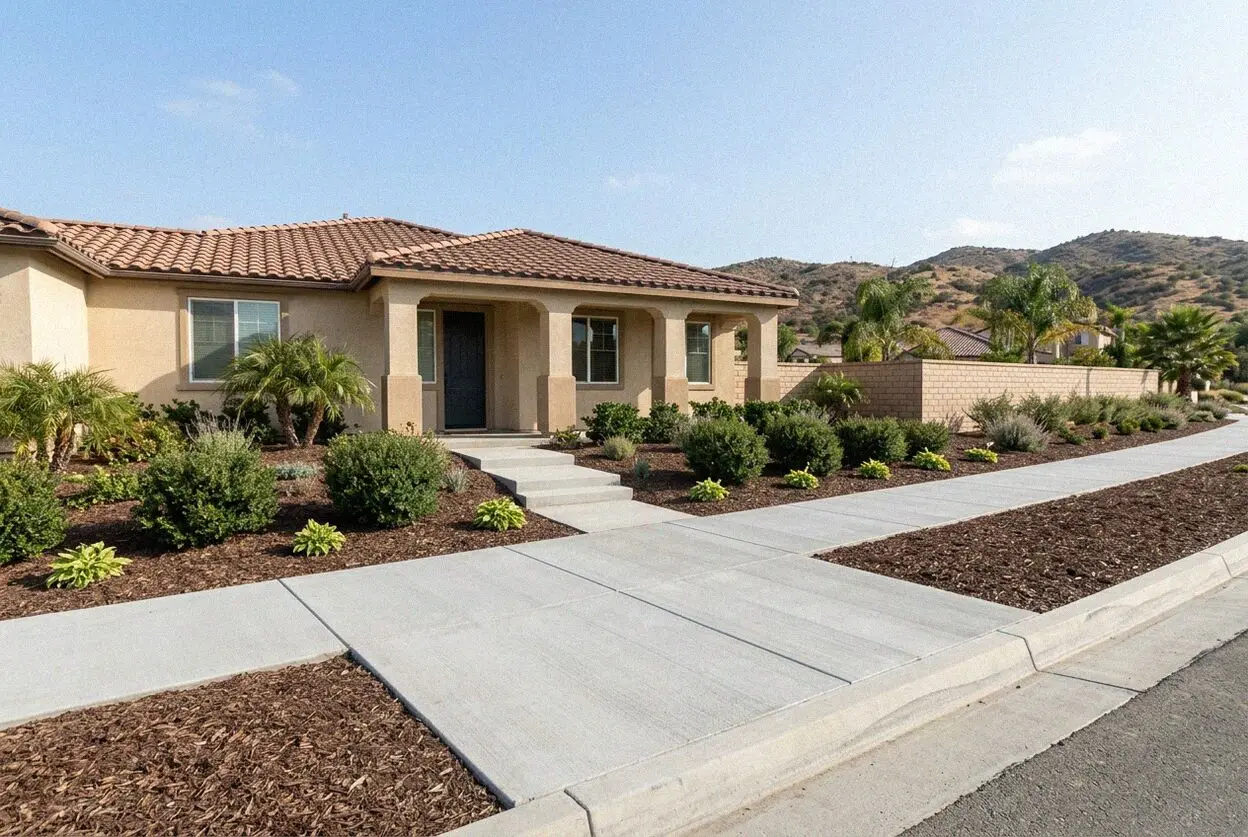

Miguel Arreola founded Circle City Corona Concrete in 2019 after 17 years on concrete crews across the Inland Empire, from citrus-era frontages inside the circle to warehouse aprons out along Temescal Canyon Road. The C-8 license is held in his name and he lives in south Corona. He measures every estimate himself and is on site for every pour.
On the Ground
An 1886 street plan, two kinds of ground either side of the 91, and an architectural committee in half the newer tracts: three things behind every figure we write.
Corona was laid out in 1886 as South Riverside and incorporated in 1896, and the plan is still the first thing anyone notices: Grand Boulevard runs a full circle a mile across, with the original townsite grid inside it. Those lots hold the oldest housing in the city, citrus-era bungalows whose driveways are 4 inches of unreinforced concrete on native dirt, most of them eighty years old against the 30 to 40 a well-poured slab lasts.
The ground changes across the freeway. Through the old grid it is river wash, sand and gravel that drains fast and settles wherever a century of trenching left fill. South and up the slopes it is Temescal Wash alluvium over clay, which swells in a wet winter and shrinks by August, California code calls a soil expansive above an Expansion Index of 20, and much of that side sits in the band. Your own lot is on the USDA Web Soil Survey.
Permits come from the Building Division at the City of Corona on Vicentia Avenue, and anything at the curb, in the parkway or across the public walk takes a construction permit as well, which is what Corona calls it. We file both and meet the inspector. In the hill tracts an HOA architectural committee signs the finish off before any of that, so the color and the finish go on the estimate in the form the committee asks for.
Concrete wins on a Corona frontage because of what the ground does on the slopes: a rigid slab spans a fill edge that is still settling, where asphalt dips into it and pavers drop into it one at a time.
| Option | Lifespan | Ready to use | Maintenance | On our ground and in our sun |
|---|---|---|---|---|
| Poured concrete | 30-40 years | 24-48 hrs on foot, 7 days for cars | Reseal every 2-3 years | Stays rigid at 110 degrees, and the joints take the movement |
| Asphalt paving | 15-20 years | Cars back on in 2-3 days | Sealcoat every 2-3 years | Goes soft above 100 degrees and ruts where a truck parks |
| Interlocking pavers | 25-50 years on a good base | Walk on it the same day | Re-sand joints every 1-2 years | Follows ground movement, but weeds and ruts at the joints |
Asphalt is cheapest to lay and dearest to keep. Pavers are dearest to lay and have to be lifted and reset where a pad edge moves. Concrete sits between on both counts.
Wind takes water off a slab faster than heat does, and the canyon at Green River funnels it down the 91. One gusty afternoon skins a surface before the concrete under it has strength, so we pour early, screen the slab and wet-cure the 7 days the Portland Cement Association asks for.
Cut on one side of it and engineered fill on the other. The tract pads above Foothill Parkway were graded that way from the 1990s on, and the fill half settles for years after. A slab crossing that line needs its base keyed into the cut and a joint on the change.
It can. California code calls a soil expansive above an Expansion Index of 20, and the clays washed off Temescal Wash sit in that band. They swell through a wet winter and shrink back by August, lifting one corner. We dig deeper there and joint the slab tighter over it.
They are grooves sawn into fresh concrete, 2 to 3 feet apart for every inch of thickness. Concrete shrinks as it cures and will crack somewhere; the joint decides where. Ours go in the same day, and where a slab runs from cut ground onto fill it lands on the change.
In the newer hill tracts, usually yes. Eagle Glen, Sierra Del Oro, Dos Lagos and the gated communities up the canyon run architectural committees that sign off color, finish and any change to a frontage. We write both onto the estimate in the form a committee wants to see.
4 inches under feet and cars, 5 to 6 inches under a truck, an RV or a workshop floor. It is the cheapest line on an estimate and the one no repair puts right later: an inch light cracks under ordinary use inside a few years. What we pour is written down first.
Cost, thickness, base, joints, permits, HOA approval, sealing and timing, answered for Corona ground from the circle out to the Temescal slopes, before you ring anybody for a number.
Nobody can price it down the phone, and thickness is why: every extra inch on a 4-inch slab is a quarter more concrete and more base beneath it. After that it is how much old surface comes out, whether a fill edge has to be dug and keyed, and the finish you pick. All four are measured on a free on-site visit and put in writing.
The figure comes off square footage, thickness and what is underneath. A 1920s lot inside Grand Boulevard with a curved approach at the curb is a different job from a 2001 tract drive on a graded pad, and demolition and base are where the two part company. We measure at the house and write it out line by line.
A patio is normally 4 inches on compacted base, so size, access and finish are what move it. Access is the big one here: an Eagle Glen or Dos Lagos lot has a side gate wide enough to get a machine through, while a 1920s frontage inside the circle is a barrow run, and that is labor rather than material.
4 inches under cars, and 5 to 6 inches where a truck, a trailer or an RV stands. Thickness is the cheapest insurance on the job and the one thing no repair puts right later: a slab poured an inch light cracks under ordinary use within a few years. We pour to what the drive carries and write the figure on the estimate.
Because a slab performs only as well as what it rests on, and most failures start underneath rather than in the mix. Compacted base spreads the load and drains water off the underside. On a cut-and-fill pad in south Corona we dig to firm ground on the fill side first, since compaction is worth only what the layer below it can hold.
They are sawn grooves, 2 to 3 feet apart for every inch of thickness, and they give a future crack a straight line to follow instead of a wandering one. Where a slab runs from cut ground onto fill, the joint goes on that change rather than on the grid, so any movement lands on a line that was already there.
It depends which side of the 91 you are on. The old townsite inside Grand Boulevard sits on river wash, sand and gravel that drains well but settles where a century of trenching left fill behind. The south slopes carry Temescal clay that swells past an Expansion Index of 20 in a wet winter. We probe on the estimate visit and build the base to whichever you have.
Late fall into early spring, while afternoons hold under 90 degrees. Two things dry a slab too fast here: July and August averaging in the mid-90s, and the Santa Ana winds coming down the river canyon and along the 91. We pour through both, starting before 8 AM, screening the slab from the wind and keeping the surface wet a full seven days.
Yes, and sooner than it would on the coast. Bare concrete is porous, so oil, rust and irrigation water soak in and mark it for good, and the ultraviolet load inland fades colored and stamped work faster. Reseal every 2 to 3 years, and at the near end of that on a west-facing drive or a pool deck taking full afternoon sun.
3 to 5 working days on site for most houses, plus curing. Inside the circle the first two days are usually demolition and digging out a century of fill; on a hillside pad the time goes into over-excavating the fill side. Foot traffic at 24 to 48 hours, cars at 7 days, anything heavy at 28.
Inside your own lot line, usually not: the California Residential Code exempts driveways and walks. It does not name patio slabs and Corona publishes no exempt list, so that one we ask at the counter. The curb, the parkway and the driveway approach are public right-of-way and take a Public Works construction permit, and a retaining wall over 4 feet takes a building permit. We file them and meet the inspector.
Yes. Every job carries a written workmanship guarantee against defects in the base, the thickness, the joints and the finish, with the terms set out on the estimate you sign. A slab that drops where fill should have been dug out is ours to put right. Staining, ordinary wear and movement the joints are cut to absorb are not.
Where We Work
Corona is where the yard is, though the work has never stayed inside it. The towns below are the ones we know properly, their tracts, their ground, their permit counters. Find yours in the list, or call and we will tell you straight away whether we cover it.
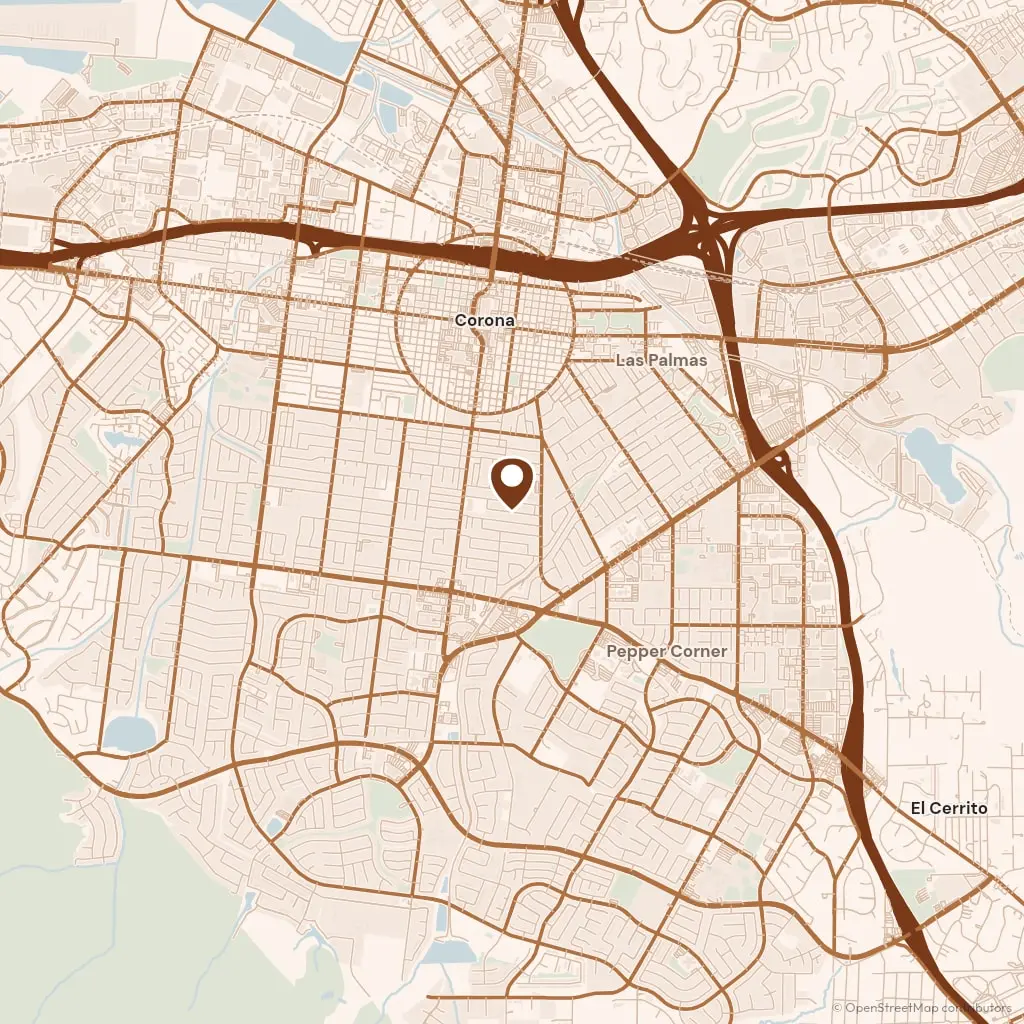 Open the Corona Office in Google Maps
 Send the form or call: you hear back within 1 business day, and Miguel Arreola comes out to check the fall and open the ground before anything is priced. The figure is written at your property, itemized, and you owe nothing if you walk away from it.